You know that feeling when you’re in the middle of a game, and someone on your team suddenly goes offline? It’s that strange emptiness, like something’s wrong. That’s what the Indian gaming community felt on February 1, 2026.
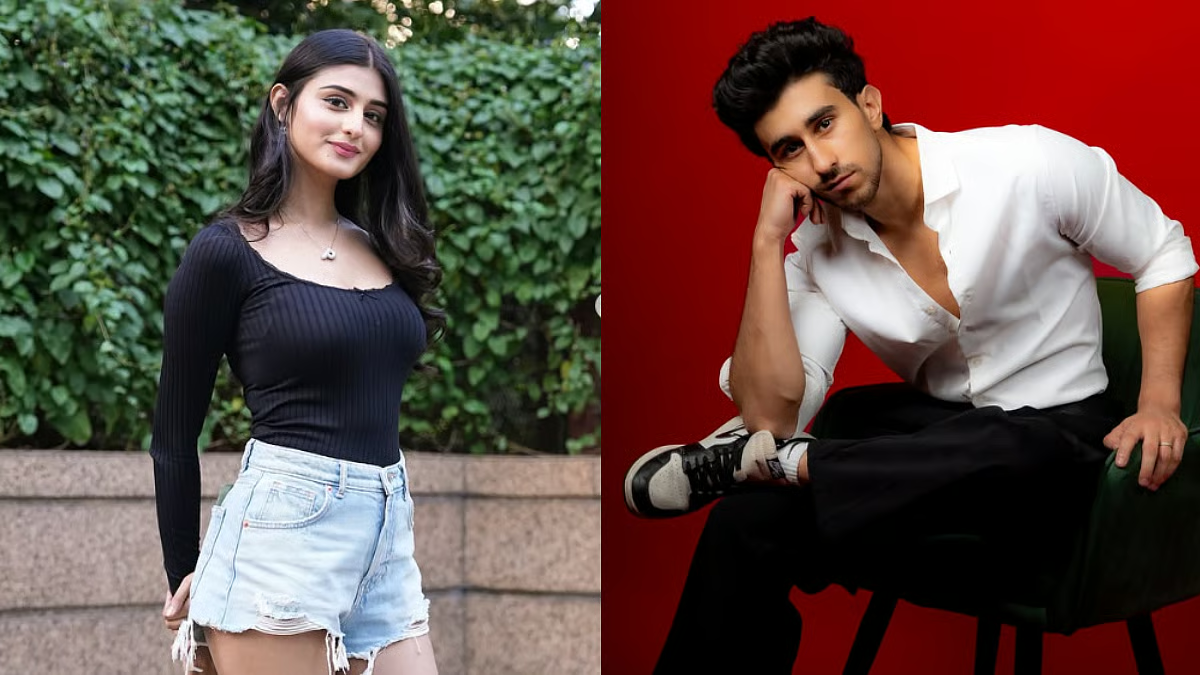
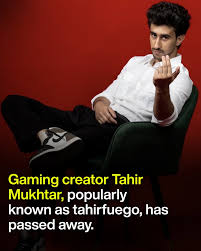
Tahir Mukhtar Tahirfuego to everyone who knew him online, didn’t just go offline. The 24-year-old Free Fire legend was found in critical condition at the GodLike Esports bootcamp in Navi Mumbai. He never came back.
I’m not going to pretend this is easy to write. It’s not. Because this isn’t just about losing a talented player. It’s about a kid who had everything going for him and still couldn’t make it through. And honestly? That should scare all of us.
What Actually Happened
Here’s what we know, and it’s not much because investigations are still ongoing.
Late night, January 31st. The GodLike bootcamp, you know, one of those places where players live together, grind together, basically eat and breathe the game, turned into a nightmare. Tahir was discovered in bad shape. Really bad. His teammates rushed him to the hospital, where doctors put him on a ventilator.
They tried. For hours, they tried.
He was declared dead the next day. Police are investigating, and while nothing’s confirmed yet, the word suicide keeps coming up in conversations. Whether that’s true or not, one thing is clear: we failed him somewhere along the way.
The Guy Behind the Gamertag
Let me tell you about Tahir before we get into the heavy stuff, because he deserves that much.
This wasn’t some random streamer chasing clout. Tahir played at the highest level. We’re talking Nigma Galaxy, GodLike Esports organizations that don’t just pick anyone. He won Rumble in the Jungle Week 2. He competed in the Free Fire India Championship 2021 Fall and held his own against the best.
But here’s the thing about being a pro player: eventually, your body can’t keep up with the grind. Or your team chemistry falls apart. Or you just burn out. So Tahir did what a lot of smart players do: he switched to content creation.
And he was good at it. His streams weren’t those fake, over-hyped LET’S GOOO nonsense. He kept it real. Talked to his viewers like they were actual people. Gave advice that actually helped. The kind of streamer you’d watch even if you weren’t that into Free Fire, just because he seemed like a genuine dude.
The Dark Side of the Dream: Living at a Bootcamp
Okay, this is where I need you to really pay attention, because nobody talks about this enough.
From the outside, a gaming bootcamp sounds amazing, right? You and your squad, living together, playing games all day, no parents telling you to get a real job. Paradise.
Wrong.
Imagine working from home, except home is also your office, your gym, your social club, and your prison all at once. You wake up, and your teammates are there. You eat breakfast, they’re there. You play scrims, they’re right next to you. You go to bed, they’re in the next room.
There’s no escape. No separation between work and Tahir, and just Tahir. You’re performing 24/7, and if you’re not grinding, someone else is. The pressure doesn’t stop just because you logged off.
And here’s the kicker: you’re surrounded by people, but you’re alone. Everyone’s in their own bubble, chasing their own stats, fighting their own demons. Tahir could’ve been drowning mentally, and his roommates might not have even noticed because they were too busy with their own matches.
Bootcamps give you high-speed internet and gaming PCs. But therapy? Counseling? Someone to actually check if you’re okay beyond did you hit your stream hours? Yeah, not so much.
The Brutal Shift: Pro Player to Content Creator
This part hits different if you’ve ever been competitive at anything.
When you’re a pro player, you’re SOMEBODY. You’re competing in tournaments, your name’s on the big screen, and fans are cheering. Even when you lose, there’s this rush, this meaning to what you’re doing.
Then you retire. Or get dropped. Or transition to content creation, which is the polite way of saying your competitive career is over.
Suddenly, you’re chasing a different high. Not the W in a tournament final, but concurrent viewers. Not trophy presentations, but YouTube analytics. Your worth isn’t measured by your skill anymore; it’s measured by an algorithm that changes every week and doesn’t give a damn how good your aim is.
Tahir made that switch. And from the outside, he seemed fine. Good numbers, loyal viewers, decent growth. But what was happening inside? Was he okay with not being on that main stage anymore? Did he wake up some days and wonder if he’d peaked at 23?
We’ll never know. But if you’ve ever felt that drop from being the guy to just another streamer in a sea of thousands, you know how heavy that sits on your chest.
Everyone’s Mourning, But Is Anyone Changing?
Payal Gaming posted about it. The tributes poured in. Instagram stories went black. Hashtags trended.
And in two weeks? Everyone will move on to the next tournament, the next drama, the next hype.
That’s the cycle. Someone dies, we act shocked, we post mental health matters, and then… nothing changes. The bootcamps still run the same way. The pressure’s still there. The loneliness is still there.
Tahir’s friends remember him as the guy who motivated others. The guy with words of encouragement when you were tilted. The irony would be funny if it weren’t so damn sad. He was probably the one who needed those words the most.
What Needs to Happen (And Won’t, Probably)
Indian esports is booming. Money’s flowing in. Tournaments are getting bigger. But we’re building this industry on the backs of kids, most of them under 25, and we’re not protecting them.
We need mandatory mental health check-ins at bootcamps. Not some HR box-ticking exercise, but actual therapy. We need contracts that include mental health clauses. We need organizations to understand that a player worth investing in is a player worth keeping alive.
But let’s be real: until sponsors start caring, until orgs realize that dead players don’t make content, nothing’s gonna change. It’ll take more tragedies. And that’s the worst part.
Rest in Peace, Tahir
You played the game better than most of us ever will. You entertained thousands. You helped people get better at something they loved.
I just wish we’d helped you when you needed it.